
by Eli Fulton | Sep 2, 2024 | Point of Sale Systems (POS) |
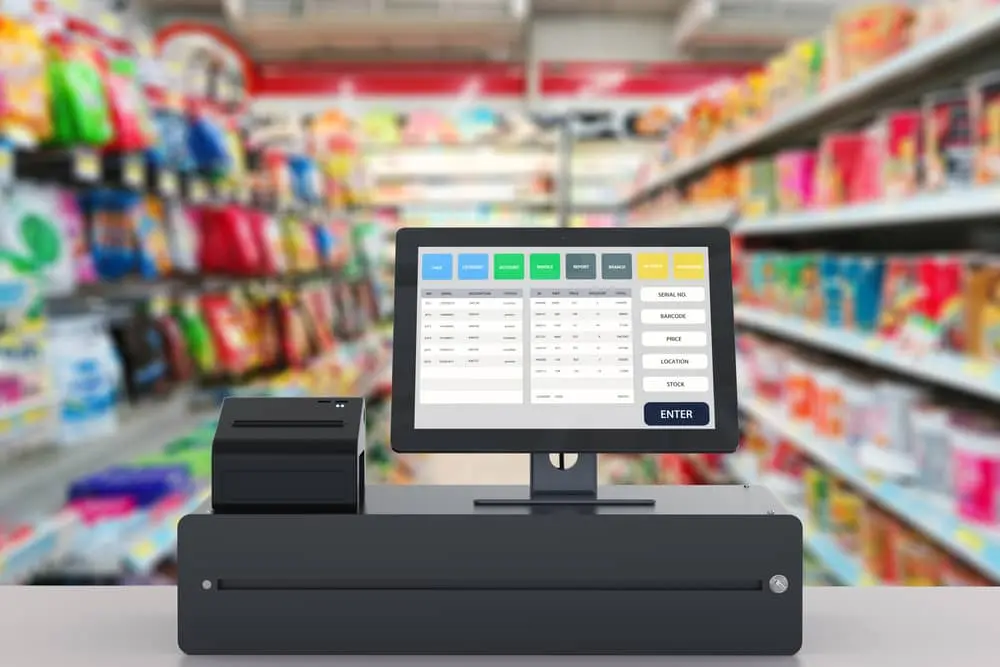
What is POS? POS (Point of Sale) is the system a business uses to take payments and complete a sale, in-store or online.
If you’ve ever wondered what is POS and why so many businesses use it, you’re in the right place. This guide breaks down the POS system meaning, shows how does a POS system work, and explains the biggest POS system benefits in plain language.
Table of Contents
What is POS?

What is POS? A POS system is the mix of software and hardware that helps you ring up sales, accept payments, and track what’s happening in your business.
The “point of sale” is the moment and place where a customer pays. That can be a checkout counter, a tablet at a restaurant table, or an online checkout page.
So if you’re asking what is POS, think of it as your business’s “payment + sales hub” that can also handle things like inventory and reports.
Real-world POS examples (so it’s easier to picture)
A POS system is used in many industries, such as:
Retail stores: Scan items, take payment, print or email receipts
Restaurants: Send orders to the kitchen, split bills, accept tips
Salons and service businesses: Charge for services, track appointments, keep customer notes
This is why people keep searching what is POS, because it shows up almost everywhere.
How Does a POS System Work?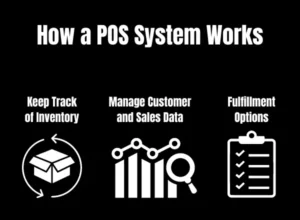
If you’re trying to understand how does a POS system work, here’s the simple flow from start to finish:
-
The cashier (or staff member) adds items or services to the sale
-
The POS calculates the total (including tax, discounts, or promo codes)
-
The customer pays (cash, card, QR, mobile wallet, or online)
-
The POS records the sale, then creates a receipt
-
The system updates reports and may also update inventory automatically
That’s the basics of how does a POS system work in daily operations.
If you want a clearer breakdown, you can link this phrase inside your page: POS system meaning explained.
POS System Explained in 60 Seconds
Still asking what is POS and why it matters?
A POS system helps you collect payments and complete transactions. But it also helps you run your business better by tracking sales, managing inventory, organizing customer details, and showing reports that help you make smarter decisions. That’s why a POS is more than a cash register.
POS System Benefits (What You Actually Get)
When people look up POS system benefits, they usually want to know what improvements they’ll notice right away. Here are the most important ones.
Faster checkouts and smoother sales
-
Process payments quicker
-
Reduce long lines and delays
-
Accept multiple payment options
Better accuracy (less human error)
-
Fewer pricing mistakes
-
Cleaner receipts and transaction records
-
Less manual tracking
Easier inventory tracking
-
Stock updates after each sale
-
Low-stock alerts
-
Easier reordering and planning
Clear sales reporting
-
Daily, weekly, and monthly sales totals
-
Best-selling products or services
-
Helpful insights for staffing and promos
These are the most common POS system benefits, especially for growing businesses.
Types of POS Systems You Can Choose From

If you’re learning what is POS, it also helps to know the common types:
1) Traditional (on-premise) POS
This is installed on a local computer or server. It can be stable and reliable, but upgrades and access can be more limited.
2) Cloud-based POS
Cloud systems store data online and can be accessed from anywhere. Many businesses like these because they’re easier to manage across multiple locations.
3) Mobile POS (mPOS)
This is a POS app on a tablet or phone, often used by pop-up shops, cafés, and service businesses.
No matter which type you choose, the POS system meaning stays the same. It’s still the system that handles sales and payments.
What’s Included in a POS System?
A POS usually includes both software and hardware.
POS software often includes:
-
Checkout and payment tools
-
Product and pricing setup
-
Discounts and promotions
-
Sales reports
-
Customer tracking (basic CRM)
POS hardware may include:
-
POS terminal or tablet
-
Card reader
-
Barcode scanner
-
Receipt printer
-
Cash drawer
This setup is a big reason people search what is POS, because it’s not just one device. It’s a full working system.
Who Needs a POS System?
A POS system is a smart fit if you:
-
Sell products in a store or kiosk
-
Take payments for services (salon, clinic, repair shop)
-
Run a restaurant, café, or food business
-
Need better tracking for sales and inventory
-
Want clearer reports to manage growth
If your business is doing regular transactions, what is POS becomes an important question to answer early.
How to Choose the Right POS System
Here’s what to look for without overcomplicating it:
-
Your business type: retail, restaurant, or service-based
-
Your payment methods: cash, card, mobile wallet, online
-
Inventory needs: basic tracking vs advanced stock tools
-
Reporting: simple totals vs deep analytics
-
Ease of use: staff should learn it fast
-
Support and setup help: important if you’re not technical
Final Thoughts
So, what is POS in one sentence?
A POS system is the tool your business uses to accept payments, complete sales, and track key parts of your operations.
Once you understand what is POS, the next step is picking the system that matches your business size, industry, and daily workflow.